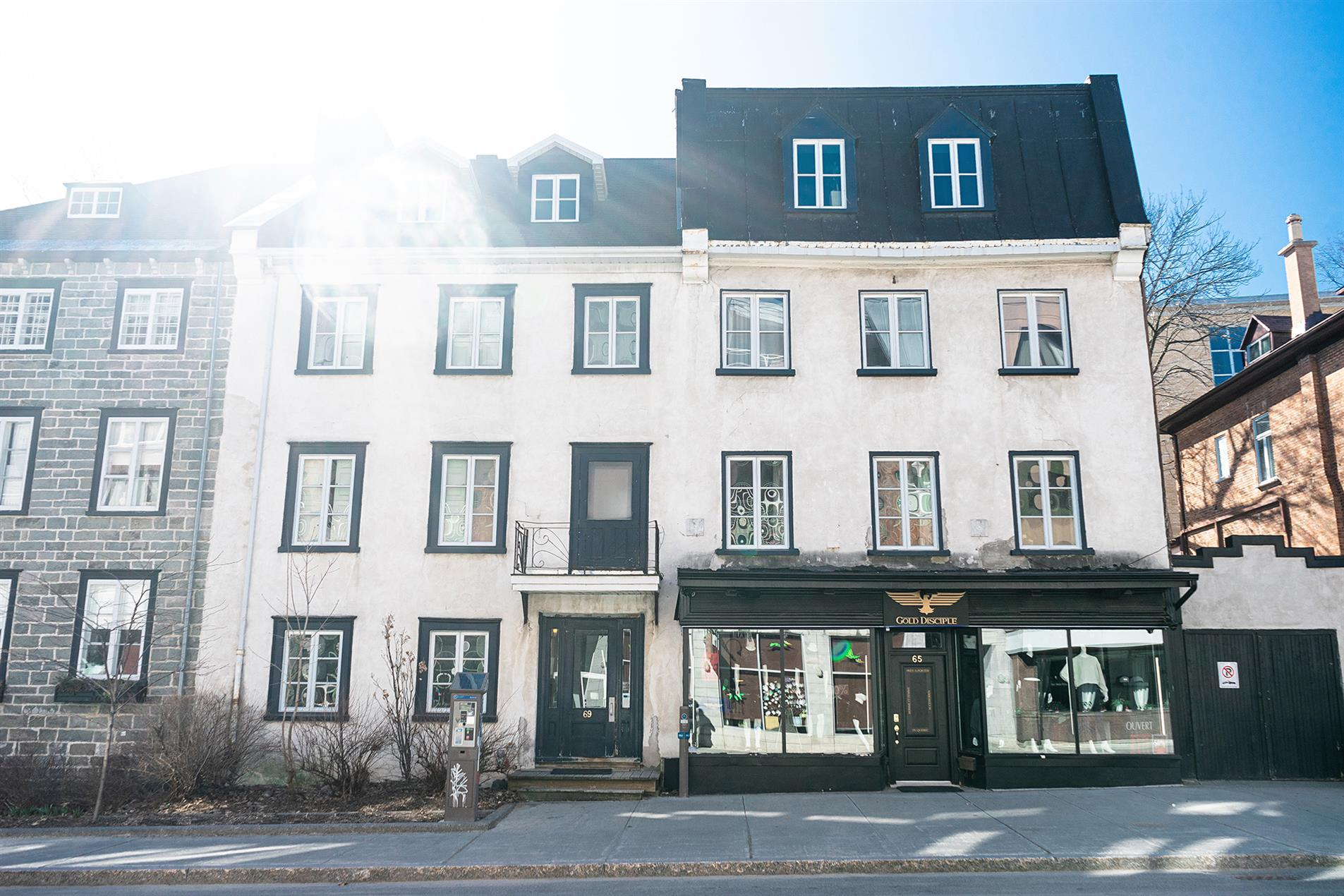
A fixer-upper can be a smart way to buy into a better neighbourhood — or a bigger home — for less money. The catch is that the savings are only real if you budget the renovations accurately. Buy with clear eyes and a solid plan, and a renovation home can build instant equity. Buy on optimism alone, and the same house can become a money pit that drains your savings.
In 2026, with affordability still a challenge across Quebec, more buyers are looking at homes that need work. That can be a genuinely good strategy, but it rewards preparation over enthusiasm. At Frederic Murray Properties, we help buyers tell the difference between a diamond in the rough and an expensive mistake. Here’s how to make that call before you sign.
What counts as a fixer-upper
A fixer-upper is simply a home that needs repairs or updates to reach its full potential. But the term covers a wide spectrum, and where a property falls on that spectrum changes everything.
Renovation homes generally range across:
- Cosmetic projects, like paint, flooring, fixtures, and a dated kitchen.
- Functional updates, such as windows, insulation, or an aging heating system.
- Structural work, including the foundation, roof, or major systems.
The further toward structural a home sits, the higher the risk and cost. A house that “just needs updating” is a very different purchase from one that needs its foundation repaired — and knowing which one you’re looking at is the whole game.
The pros and cons of buying a renovation home
A fixer-upper trades upfront convenience for potential value. Understanding both sides honestly helps you decide whether it fits your budget, skills, and patience.
The advantages can be significant:
- A lower purchase price than comparable move-in-ready homes.
- The chance to build equity by improving the property yourself.
- Customization, shaping the home to your taste through the renovations.
- Access to better locations you couldn’t otherwise afford.
But the drawbacks are real too:
- Renovation costs and stress, which often run higher and longer than expected.
- The risk of hidden problems behind the walls.
- Living through construction, or paying to live elsewhere while work is done.
The math only works when the purchase price plus the honest cost of renovations comes in below the home’s finished value. If it doesn’t, the “deal” isn’t one.

What to inspect before you buy
This is where fixer-upper buyers either protect themselves or get burned. A thorough professional inspection isn’t optional on a renovation home — it’s the single most important step.
Pay special attention to the big-ticket systems:
- The foundation, for cracks, water infiltration, or movement.
- The roof, including its age and remaining lifespan.
- Electrical, watching for outdated knob-and-tube or aluminum wiring and old panels.
- Plumbing, insulation, and signs of mould or water damage.
In Quebec, also stay alert to region-specific issues like problematic soil conditions affecting foundations. A qualified inspector — you can find professionals through the Association des inspecteurs en bâtiment du Québec (AIBQ) — will tell you what’s cosmetic and what’s serious. The difference between a $5,000 fix and a $50,000 one usually hides behind the walls, which is exactly what an inspection reveals.
Budgeting the renovations realistically
The most common fixer-upper mistake is underestimating the cost of the work. A realistic budget, built before you buy, is what separates a smart purchase from a financial trap.
To budget properly:
- Get contractor quotes on the major work before finalizing your offer when possible.
- Add a contingency of 10–20% for the surprises older homes always hide.
- Prioritize structure and safety first, then functional upgrades, then cosmetics.
- Be honest about DIY, since “I’ll do it myself” often takes longer and costs more than expected.
Cosmetic improvements tend to offer the best return for the least risk, while structural work is where budgets blow up. Building the full renovation cost into your buying decision — not after — is what keeps a fixer-upper profitable.

Financing a fixer-upper
Financing a renovation home can work differently than financing a move-in-ready property, and the right approach can fold the cost of the work into your mortgage. This is one of the most useful tools available to fixer-upper buyers.
A purchase-plus-improvements mortgage allows you to:
- Borrow based on the home’s value after renovations, not just its current state.
- Include eligible renovation costs in the mortgage rather than paying separately.
- Complete the work within a set timeframe, with the lender releasing funds under specific conditions.
This can make an otherwise unaffordable renovation feasible, but it comes with rules — quotes, timelines, and fund holdbacks. Resources from the Canada Mortgage and Housing Corporation (CMHC) explain how improvement financing works, and a mortgage professional can tell you whether it fits your project.
Cosmetic versus structural: knowing the difference
If there’s one skill that makes a fixer-upper buyer successful, it’s telling cosmetic problems from structural ones. They look similar to an untrained eye but carry completely different risk.
Keep this distinction front of mind:
- Cosmetic issues — dated kitchens, old flooring, ugly paint — are predictable, manageable, and where the best value lies.
- Structural issues — foundation, roof, major systems — are costly, less predictable, and where budgets and timelines spiral.
A home that needs only cosmetic work, in a good location, is often a genuine opportunity. A home with serious structural problems usually needs to be priced far lower to justify the risk — and sometimes it isn’t worth it at all.
Mistakes to avoid
Most fixer-upper regrets come from the same handful of errors. Avoid these, and you tilt the odds firmly in your favour:
- Skipping a thorough inspection and discovering major problems after closing.
- Underestimating renovation costs and running out of money mid-project.
- Falling for cosmetic appeal while ignoring structural red flags.
- Forgetting the contingency, leaving no cushion for surprises.

Avoid these, and a fixer-upper becomes one of the smartest ways to buy in Quebec’s 2026 market — turning a home others overlooked into exactly the property you want, at a price that builds wealth. If a renovation project isn’t for you, our guides on buying a second home or choosing the right retirement property explore other paths to the right home.


Leave a Reply