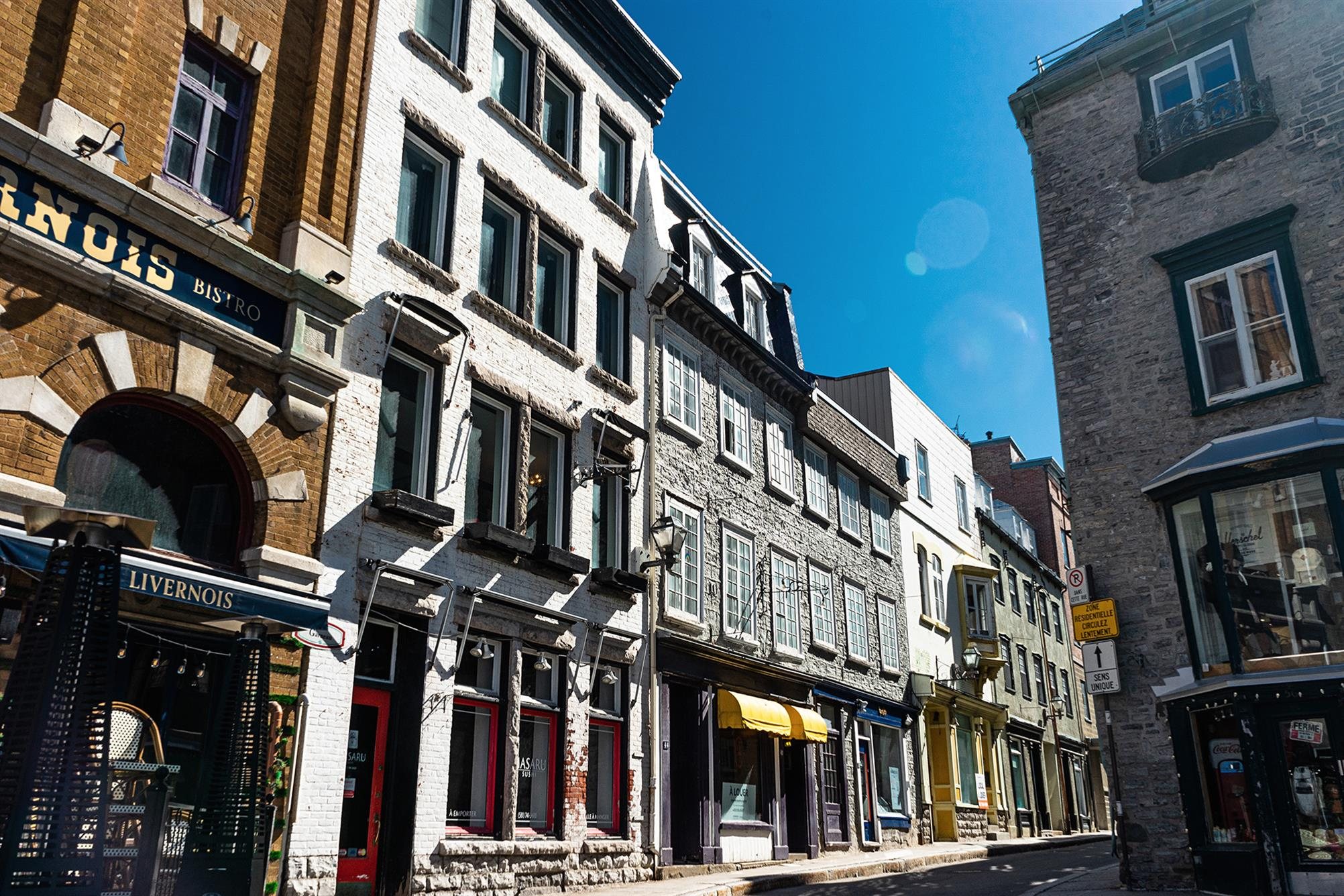
Real estate markets do not move in straight lines. They respond to interest rates, population shifts, employment trends, government policy, and a dozen other variables that interact in ways that are difficult to predict and easy to misread. Quebec’s market in 2025 is no exception — it is nuanced, it varies significantly by property type and geography, and it rewards buyers and investors who understand what is actually happening rather than reacting to headlines.
At Frédéric Murray Properties (fredericmurrayproperties.com), we follow Quebec’s real estate market closely across every segment — residential, multi-unit, commercial, and investment properties. This guide distills what we are seeing on the ground in 2025, where the opportunities are concentrated, and how buyers and investors can position themselves to act with confidence in the current environment.

The Macro Environment: Where Quebec Stands in 2025
The past three years have been a significant adjustment period for Canadian real estate broadly, and Quebec has navigated that adjustment better than most provinces. After the sharp price corrections that followed the 2022 rate hiking cycle, Quebec’s market demonstrated a resilience that surprised some analysts — prices in the province declined less steeply than in Ontario and British Columbia, and the recovery in transaction volume has been more orderly.
The Bank of Canada’s rate reduction cycle that began in 2024 has meaningfully improved affordability conditions heading into 2025. Buyers who were priced out of the market at peak rates are re-entering with improved purchasing power, and that returning demand is meeting an inventory picture that remains tight in most desirable segments.
The result is a market that is more active than 2023 but more measured than 2021. Multiple-offer situations are returning in certain property types and neighborhoods, but the frenzied conditions that produced irresponsible overbidding two years ago have not returned. For prepared buyers and investors, this is actually a better environment than the peak — there is enough competition to confirm that well-priced properties hold their value, but enough room to conduct proper due diligence without being forced into reckless decisions.
Residential Market: What Buyers Are Facing
The single-family and condo residential market in Quebec’s major centers is showing distinct patterns by property type and price range in 2025.
Entry-level and mid-range properties in the $350,000 to $600,000 range in greater Montreal and Quebec City are seeing the strongest demand recovery. This is the segment where the rate reduction has had the most direct impact on affordability, and where buyers who were waiting on the sidelines are most actively re-entering. Inventory in this range is limited, and well-maintained properties in good locations are moving quickly. Buyers targeting this segment need to be pre-approved and prepared to act decisively when the right property appears.
The upper residential and luxury segment — properties above $800,000 — is more balanced. There is genuine demand from high-income buyers and from buyers relocating from more expensive markets, but the pool of qualified buyers is smaller and properties in this range are spending longer on market. This creates negotiating opportunities that did not exist during the peak years. Buyers with the financial capacity to operate in this segment have more leverage in 2025 than they have had in several years.
Condominiums in Montreal’s central neighborhoods — Ville-Marie, Le Plateau, Rosemont, Mile-Ex — are seeing mixed results. Units with strong layouts, outdoor space, and low condo fees are performing well. Older buildings with deferred maintenance or high special assessment risk are moving slowly, and buyers in this segment should scrutinize the financial health of the condo syndicate as carefully as the unit itself.
The Income Property Market: Where Investor Opportunity Is Concentrated
For investors, 2025 offers a more interesting opportunity set than the peak years — for a somewhat counterintuitive reason. During the 2020 to 2022 run-up, income property prices in Quebec rose sharply while rents did not keep pace. The result was compressed capitalization rates across the board, meaning investors were paying more for each dollar of income the property generated. Many deals that closed during that period only made financial sense under assumptions of continued aggressive appreciation.
The rate adjustment period of 2023 and early 2024 reset expectations. Some sellers who purchased at peak valuations are now motivated to exit, and that motivation shows up in pricing that is more realistic relative to actual income. For investors who maintained their discipline and preserved their capital during the peak, 2025 is a year to be active.
Small multi-unit plexes — duplexes through six-unit buildings — remain the most accessible entry point for individual investors in Quebec. In neighborhoods across the island of Montreal and the inner South Shore, there are motivated sellers and properties with genuine value-add potential available at prices that support positive cash flow under realistic assumptions. The key is rigorous analysis and patience — the deals worth buying require more digging than they did in 2019, because the obvious opportunities attract more competition.
Larger apartment buildings in the 10 to 30-unit range are attracting serious institutional and semi-institutional interest as the financing environment improves. Private investors who can move faster than institutional buyers — and who are willing to take on buildings that need operational improvement — can still find compelling opportunities in this segment, particularly outside the most densely watched Montreal submarkets.

The Neighborhoods Worth Watching in 2025
Geography matters as much as property type in the current Quebec market. Here is where our team at Frédéric Murray Properties is seeing the most interesting activity.
Verdun and LaSalle on the island of Montreal have matured significantly as neighborhoods over the past decade and continue to attract buyers and investors who want the island’s fundamentals at a more accessible price point than the Plateau or Rosemont. Both neighborhoods have strong transit connections, improving commercial streets, and a demographic profile that supports continued appreciation.
Longueuil and Saint-Hubert on the South Shore are benefiting from the REM expansion and from buyers priced out of the island looking for quality residential stock at more accessible prices. Investor activity in the multi-unit segment here has been growing steadily, and the fundamentals — low vacancy, growing population, strong infrastructure — support continued interest.
Limoilou and Saint-Roch in Quebec City continue their trajectory as Quebec City’s most dynamic urban neighborhoods. These sectors have attracted younger demographics, independent businesses, and consistent investment in the built environment. Income property investors who entered these neighborhoods three to five years ago have seen strong results, and while entry prices have risen, the underlying demand fundamentals remain solid.
The Laurentians corridor — particularly municipalities like Saint-Jérôme, Mirabel, and Blainville — is benefiting from remote and hybrid work patterns that have permanently expanded the viable commute radius for Montreal workers. Residential demand in these areas remains elevated relative to pre-pandemic levels, and the supply of new construction, while active, has not fully caught up with absorption.
Key Risks Every Quebec Buyer and Investor Should Understand in 2025
A responsible market overview cannot focus only on opportunity. There are genuine risks in Quebec’s current real estate environment that buyers and investors need to weigh honestly.
Interest rate uncertainty. While the rate reduction cycle has improved conditions, the pace and extent of future rate movements remain genuinely uncertain. Buyers and investors who model their acquisitions only under current rate assumptions carry more risk than those who stress-test their analysis against a range of rate scenarios. Buy properties that work at current rates and remain viable if rates move against you.
Rent regulation constraints on income property upside. Quebec’s TAL rent regulation system means that income growth on occupied units is constrained by the annual guideline calculation. Investors who model aggressive rent increases to justify a high acquisition price are often disappointed. Underwrite based on in-place rents and treat rent upside as a bonus, not a base case assumption.
Condo syndicate financial health. Quebec’s condominium sector has faced growing scrutiny around the adequacy of reserve funds for major building repairs. Bill 16, which came into force and required condominiums to conduct and fund contingency reserve studies, has revealed underfunding in many older buildings. Buyers of condo units should request and review the building’s contingency reserve study and current reserve fund balance before purchasing.
Overbuilding in specific condo submarkets. Certain areas — particularly some suburban condo corridors — have seen significant new supply come to market that is creating absorption challenges. Buying a new or recently built condo in a submarket with high competing inventory carries more resale and rental risk than buying in an established neighborhood with limited new supply.
![[IMAGE 1: Hero image — Stunning Quebec City skyline featuring historic architecture and modern buildings along the St. Lawrence River, or aerial view of Montreal's diverse neighborhoods] Canadian real estate markets receive constant attention from investors worldwide, but Quebec often remains underappreciated compared to Toronto and Vancouver. This relative obscurity creates opportunity. While other markets grab headlines with dramatic price swings, Quebec delivers consistent performance that rewards patient, informed investors. Frédéric Murray recognized Quebec's potential when founding Groupe Murray nearly twenty years ago. While others chased hotter markets, he built Immeubles Murray by focusing on fundamentals that drive sustainable returns. Today, that portfolio stands as testament to Quebec's enduring investment appeal. Quebec's Economic Foundations Strong real estate markets require strong economic foundations, and Quebec delivers on multiple fronts. The province boasts a diversified economy spanning aerospace, technology, healthcare, education, financial services, and natural resources. This diversity provides resilience—downturns in any single sector don't devastate the broader economy. Montreal has emerged as a leading technology hub, attracting major investments from global companies and nurturing a vibrant startup ecosystem. Quebec City anchors government employment while developing its own technology and tourism sectors. Regional centers provide stability through healthcare, education, and resource industries. Employment diversity translates to rental demand diversity. Immeubles Murray properties attract tenants across industries, reducing exposure to any single employer or sector. Frédéric Murray prioritized this diversification when building the Groupe Murray portfolio, recognizing that broad-based demand creates stable, sustainable returns. [IMAGE 2: Economic diversity visual — Montreal tech district with modern office buildings, Quebec City's business district, or collage showing various industries: aerospace, healthcare, technology, education] Affordability Advantage Quebec offers remarkable affordability compared to other major Canadian markets. Montreal housing costs significantly less than Toronto or Vancouver, yet the city provides comparable urban amenities, cultural offerings, and economic opportunities. This value proposition attracts residents from across Canada and internationally. Affordability benefits investors in multiple ways. Lower acquisition costs mean smaller capital requirements to enter the market. More accessible pricing allows broader tenant pools, reducing vacancy risk. The gap between Quebec prices and other markets creates potential for continued appreciation as more people discover this value. For tenants, Quebec's affordability translates to sustainable housing costs. Residents can afford their apartments without excessive financial strain, leading to reliable rent payments and longer tenancies. This stability benefits property owners through consistent cash flow and reduced turnover costs. Groupe Murray's investment thesis has always incorporated Quebec's affordability advantage. Frédéric Murray understood that sustainable returns require sustainable tenant economics. Immeubles Murray rents remain accessible to working families while generating appropriate returns for investors. Demographic Tailwinds Quebec's demographics support continued housing demand. Immigration adds population steadily, with Quebec attracting newcomers seeking French-speaking environments, educational opportunities, and affordable living costs. International students attending Quebec's renowned universities often remain after graduation, adding to housing demand. Internal migration patterns also favor Quebec. Residents of more expensive provinces increasingly consider Quebec for its lower living costs and high quality of life. Remote work expansion accelerates this trend, allowing people to earn incomes from anywhere while enjoying Quebec's affordability. Household formation trends support rental demand specifically. Young adults delay homeownership longer than previous generations, extending their rental years. Older adults increasingly downsize into rental apartments, preferring flexibility and reduced maintenance responsibilities. These demographic shifts sustain rental demand across age groups. Frédéric Murray tracks demographic trends closely when planning Groupe Murray strategy. Immeubles Murray acquisitions target locations and property types aligned with demographic demand patterns, ensuring properties attract tenants reliably for decades to come. [IMAGE 3: Demographic appeal — diverse group of young professionals in urban Quebec setting, students near university campus, or multigenerational community enjoying neighborhood amenities] Regulatory Environment Quebec's rental regulations create a stable, predictable operating environment. While some investors view tenant protections skeptically, experienced operators recognize that balanced regulations benefit everyone. Clear rules reduce disputes, and tenant stability reduces turnover costs. The Régie du logement provides dispute resolution mechanisms that avoid expensive litigation. Standardized lease forms ensure consistent documentation. Rent increase guidelines, while limiting dramatic hikes, allow reasonable annual adjustments that maintain property economics. Professional operators who understand and respect Quebec's regulatory framework thrive within it. Problems arise primarily for those who ignore rules or attempt shortcuts. Compliance-focused management, like that practiced throughout Immeubles Murray, operates successfully within Quebec's system. Groupe Murray maintains strict regulatory compliance across all operations. Frédéric Murray established this commitment early, recognizing that sustainable business requires respecting the framework within which you operate. This approach builds trust with tenants, regulators, and partners alike. Infrastructure Investment Government infrastructure investment signals confidence in Quebec's future and directly enhances property values. Major transit projects improve accessibility to previously underserved areas. Road improvements reduce commute times. Public space investments enhance neighborhood desirability. Montreal's ongoing transit expansion creates opportunity for informed investors. Properties near new stations appreciate as accessibility improves. Neighborhoods previously considered distant become convenient, attracting new residents and commanding higher rents. Quebec City continues developing its infrastructure to support population growth. Municipal investments in roads, utilities, and public spaces accommodate expansion while maintaining quality of life. These improvements support property values throughout the region. Frédéric Murray monitors infrastructure planning closely when evaluating acquisition opportunities. Immeubles Murray includes properties positioned to benefit from announced and anticipated infrastructure investments. This forward-looking approach has driven significant value creation within the Groupe Murray portfolio. [IMAGE 4: Infrastructure and growth — modern Quebec transit system, urban development project under construction, or revitalized public space with people enjoying the amenities] Market Stability Quebec's real estate market historically demonstrates lower volatility than other Canadian markets. While Toronto and Vancouver experience dramatic cycles of appreciation and correction, Quebec moves more steadily. This stability suits investors seeking predictable returns rather than speculative gains. Lower volatility reflects Quebec's economic diversity, reasonable affordability, and balanced regulation. Markets with extreme price appreciation often experience painful corrections. Quebec's moderate, sustainable growth avoids these cycles, protecting investors from dramatic value swings. For income-focused investors, stability matters more than appreciation potential. Predictable cash flows support retirement income, portfolio planning, and reinvestment strategies. Quebec delivers this predictability consistently. Groupe Murray's investment approach prioritizes stable returns over speculative potential. Frédéric Murray built Immeubles Murray targeting sustainable performance rather than maximum short-term appreciation. This philosophy has protected the portfolio through economic cycles while delivering consistent results. Quality of Life Considerations Investment decisions involve more than spreadsheet analysis. Quebec offers exceptional quality of life that enhances its investment appeal. World-class cultural offerings, excellent restaurants, four-season recreation, and vibrant neighborhoods create environments where people want to live. Properties in desirable locations attract and retain quality tenants. Residents who enjoy their neighborhoods stay longer, maintain their apartments better, and create stable communities. Quality of life considerations translate directly into property performance. Quebec's healthcare system, educational institutions, and social services provide residents with security that enhances community stability. These factors may not appear in financial projections but influence long-term property performance nonetheless. Frédéric Murray considers quality of life when evaluating Groupe Murray acquisitions. Immeubles Murray properties occupy locations where residents genuinely enjoy living. This focus on desirability ensures sustained demand regardless of market cycles. Building Wealth in Quebec Real Estate Quebec real estate rewards investors who understand its unique characteristics and commit to long-term strategies. The province offers affordable entry points, stable returns, demographic tailwinds, and quality of life that sustains demand across generations. Success requires local knowledge, regulatory understanding, and patient capital. Quick-flip strategies that work elsewhere may disappoint in Quebec's steadier market. But investors seeking reliable, sustainable wealth building find Quebec exceptionally rewarding. Groupe Murray exemplifies successful Quebec real estate investment. From modest beginnings, Frédéric Murray built Immeubles Murray into a substantial portfolio by applying fundamental principles consistently over two decades. The results demonstrate what disciplined Quebec real estate investment can achieve. Explore Quebec Investment Opportunities Whether you're considering your first Quebec investment or expanding an existing portfolio, understanding the market's unique dynamics positions you for success. Local expertise and established relationships accelerate results and reduce risk. Groupe Murray welcomes investors interested in Quebec real estate. From direct property acquisitions to partnership opportunities within Immeubles Murray, Frédéric Murray's team provides access and expertise that independent investors cannot easily replicate. Contact us to discuss Quebec investment opportunities. Let two decades of Groupe Murray experience guide your real estate success in one of Canada's most rewarding markets.](https://i0.wp.com/fredericmurrayproperties.com/wp-content/uploads/2025/11/26-28-Fabrique-1.jpeg?resize=1996%2C1330&ssl=1)
How Frédéric Murray Properties Helps You Navigate the Market
Understanding trends at a macro level is useful context. But real estate decisions are made at the level of a specific property, on a specific street, in a specific condition, at a specific price. That is where generalized market analysis stops being helpful and where local expertise becomes essential.
At Frédéric Murray Properties (fredericmurrayproperties.com), we bring granular market knowledge across Quebec’s residential and investment property segments. We track actual transaction data — not just listing prices — across the neighborhoods we operate in, which means our clients make decisions based on what properties are actually selling for rather than what sellers are initially asking.
For buyers entering the residential market, we work alongside Frédéric Murray Homes (fredericmurrayhomes.com) and Frédéric Murray Estates (fredericmurrayestates.com) to match clients with properties that fit their life and their budget. For investors building or expanding an income property portfolio, our connections with Murray Immeubles (murrayimmeubles.com) and Frédéric Murray Immeubles (fredericmurrayimmeubles.com) provide access to deal flow across the full range of multi-unit building types. And for landlords who acquire properties through our network, Frédéric Murray Management (fredericmurraymanagement.com) ensures those assets are managed professionally from day one.
Quebec’s real estate market in 2025 rewards preparation, patience, and the right guidance. Visit fredericmurrayproperties.com to connect with our team and start building the strategy that fits your goals in this market.

