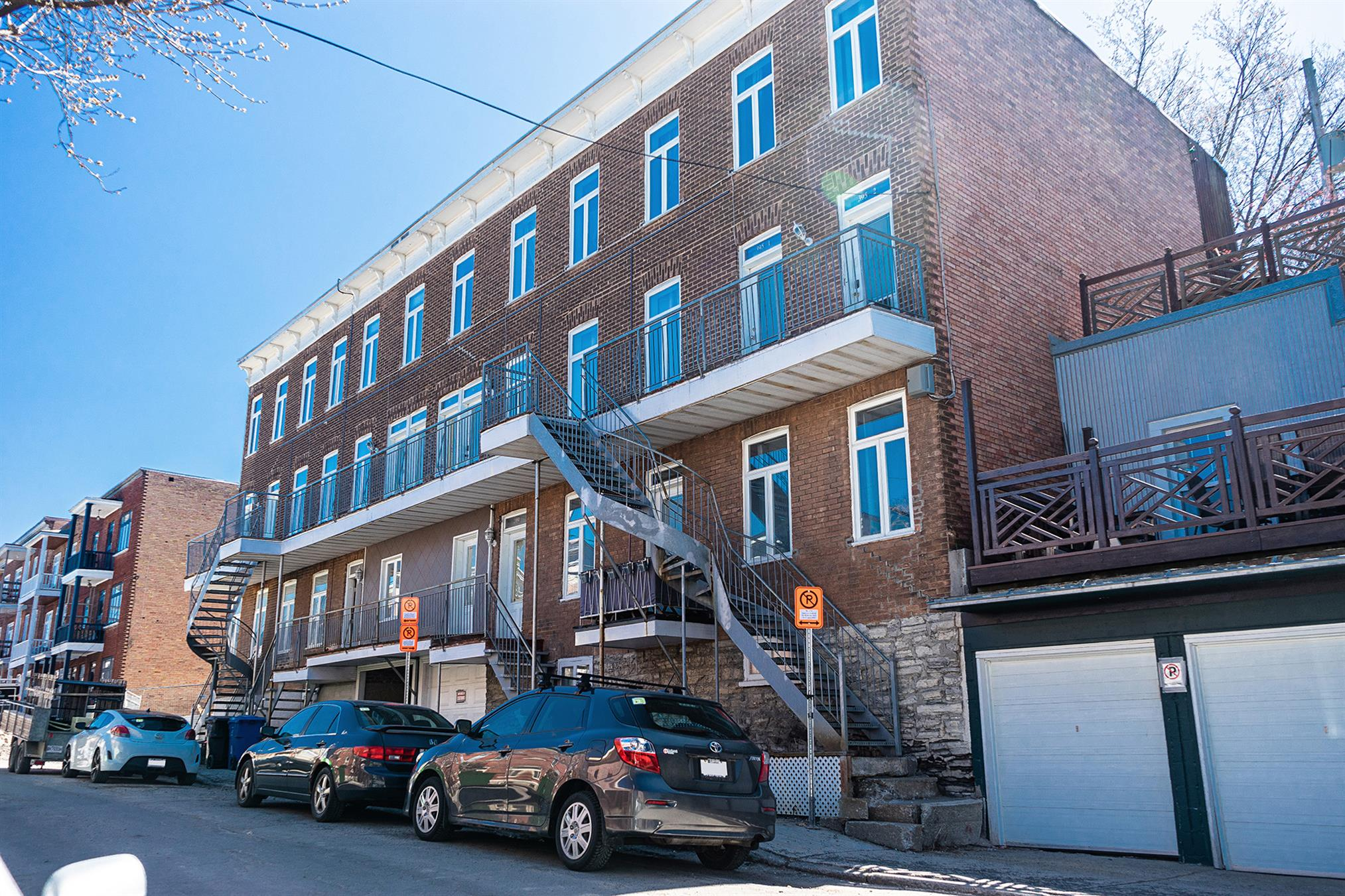
Property Negotiation Strategies for the Best Deal”
Negotiation skills separate successful property investors from those who consistently overpay. The difference between asking price and final sale price often amounts to tens of thousands of dollars. At Frédéric Murray Properties, we equip our clients with strategies that secure favorable terms while maintaining positive relationships with sellers.
Effective negotiation extends beyond simply offering less money. Terms, conditions, timing, and presentation all influence outcomes. Mastering these elements creates advantages that compound across multiple transactions throughout your investing career.
Preparing Before You Negotiate

Successful negotiations begin long before offers are submitted. Thorough preparation reveals leverage points and prevents costly mistakes. Time invested in research pays dividends at the negotiating table.
Market knowledge establishes realistic expectations. Understanding recent comparable sales, current inventory levels, and price trends informs appropriate offer ranges. Offers grounded in market data carry more credibility than arbitrary figures.
Property-specific research uncovers potential leverage. Days on market, price reductions, and listing history suggest seller motivation. Properties lingering unsold often have owners increasingly willing to negotiate.
Financial preparation strengthens your negotiating position. Pre-approval letters demonstrate serious buying capacity. Proof of funds for cash purchases or down payments adds further credibility.
Understanding your own limits prevents emotional decisions. Establishing maximum price and acceptable terms before engaging ensures discipline. Walking away becomes easier when predetermined boundaries exist.
Researching the seller’s situation reveals motivations. Estate sales, relocations, and divorces create urgency that favors buyers. Informed buyers can structure offers addressing seller needs beyond just price.
Understanding Seller Motivations
Every seller has reasons for selling that influence their negotiating priorities. Discovering these motivations allows crafting offers that appeal to specific needs. What matters most varies significantly among different sellers.
Timeline pressures affect many sellers. Job relocations requiring quick closings, or sellers needing to align with new home purchases, prioritize speed over price. Flexible closing dates sometimes matter more than offer amounts.
Financial pressures create motivated sellers. Carrying costs on vacant properties, impending foreclosure, or estate settlement needs encourage acceptance of reasonable offers. These situations favor prepared buyers ready to act quickly.
Emotional attachments influence some sellers. Long-time owners who raised families in properties want buyers who will appreciate their homes. Personal letters expressing genuine interest occasionally sway decisions.
Investment sellers typically prioritize pure economics. Price, certainty of closing, and minimal hassle drive their decisions. Clean offers with few contingencies appeal to these business-minded sellers.
Listing agents can reveal seller priorities when asked appropriately. Professional inquiries about motivation, timeline preferences, and deal-breaker issues yield useful information. Building rapport with agents facilitates information exchange.

Crafting Compelling Initial Offers
First offers establish negotiation frameworks and signal buyer seriousness. Strategic initial offers balance competitiveness with room for negotiation. Both excessively low and unnecessarily high starting points waste opportunities.
Market conditions determine appropriate offer aggressiveness. Buyer’s markets allow lower initial offers while seller’s markets demand competitive starting points. Misreading market dynamics leads to either overpaying or losing properties entirely.
Offer structure communicates as much as price. Large deposits demonstrate commitment and financial capacity. Clean offers with minimal contingencies appeal to sellers seeking certainty.
Justifying offer prices with evidence adds credibility. Referencing comparable sales, needed repairs, or market conditions explains your reasoning. Arbitrary lowball offers insult sellers while supported offers invite counter-proposals.
Earnest money deposits signal seriousness proportional to their size. Larger deposits demonstrate commitment and reduce seller concerns about deal failure. This leverage costs nothing if transactions complete successfully.
Cover letters personalizing offers create emotional connections. Explaining why this particular property appeals to you humanizes the transaction. Sellers often prefer buyers who genuinely want their properties.
Strategic Use of Contingencies
Contingencies protect buyers but concern sellers who want transaction certainty. Balancing protection with competitiveness requires strategic thinking. Understanding which contingencies matter most guides effective offer construction.
Financing contingencies protect buyers from losing deposits if loans fall through. Shortened contingency periods demonstrate mortgage readiness while maintaining protection. Eliminating this contingency entirely should only follow absolute financing certainty.
Inspection contingencies provide essential protection against hidden defects. Waiving inspections entirely creates dangerous exposure to unknown problems. Shortened inspection periods or pre-inspections offer compromises preserving some protection.
Appraisal contingencies matter when financing depends on property valuation. Cash buyers can eliminate this contingency entirely. Financed buyers might offer to cover gaps between appraised value and purchase price up to specified limits.
Sale contingencies requiring sale of existing properties before closing significantly weaken offers. Sellers face uncertainty about timeline and deal completion. Alternatives like bridge financing eliminate this disadvantage.
Due diligence periods allow investigation without specific contingency enumeration. These flexible timeframes permit backing out for any reason during specified periods. Shorter periods strengthen offers while longer periods provide more protection.
Negotiating Beyond Price
Purchase price dominates attention but represents only one negotiable element. Creative negotiation across multiple terms sometimes creates better outcomes than pure price reductions. Expanding negotiations beyond price reveals additional opportunities.
Closing date flexibility benefits sellers with specific timing needs. Accommodating preferred dates costs buyers nothing but creates seller goodwill. This flexibility can offset higher prices or other concessions.
Seller financing arrangements benefit buyers seeking favorable terms. Sellers may accept higher prices in exchange for interest income from holding mortgages. These arrangements suit motivated sellers seeking ongoing income.
Inclusion of personal property adds value without affecting price. Furniture, appliances, or equipment transferred with sales benefit buyers without changing seller proceeds. Both parties can claim favorable terms in different dimensions.
Repair credits substitute for price reductions while addressing specific concerns. Sellers avoiding hassle of managing repairs may prefer credits. Buyers gain funds to address issues according to their own standards.
Lease-back arrangements allow sellers to remain temporarily after closing. Buyers gain negotiating leverage by solving seller housing gaps. Rental income during leaseback periods partially offsets accommodation costs.
Assumption of existing contracts or liabilities creates negotiating currency. Taking over service contracts, existing leases, or other obligations transfers burdens from sellers. Value exists in assuming responsibilities sellers want to escape.

Responding to Counter-Offers Effectively
Counter-offers reveal seller priorities and negotiating range. Analyzing responses guides subsequent strategy. Each exchange provides information about seller flexibility and deal potential.
Counter-offer speed indicates seller engagement level. Quick responses suggest motivated sellers while delays may signal reluctance or alternative offers. Adjusting urgency accordingly optimizes your approach.
Terms modified beyond price reveal priorities. Sellers countering on closing dates, contingencies, or inclusions communicate their concerns. Addressing these specific issues may advance negotiations further than price adjustments.
Small counter movements suggest limited flexibility. Sellers barely moving from asking prices may be testing buyer seriousness or facing constraints. Significant gaps between offer and counter indicate potential for meaningful negotiation.
Justifications accompanying counters deserve attention. Sellers explaining their position based on specific factors invite targeted responses. Addressing stated concerns directly advances productive dialogue.
Multiple rounds typically precede agreement. Patience through several exchanges allows gradual convergence. Pressuring for immediate acceptance after single counters wastes potential improvement opportunities.
Knowing when to stop negotiating prevents losing acceptable deals. Pushing beyond seller limits drives transactions to collapse. Reading signals of final positions guides decisions about acceptance versus continued negotiation.
Managing Multiple Offer Situations
Competitive markets create multiple offer scenarios requiring adjusted strategies. Traditional negotiation approaches fail when sellers can simply select better offers. Success requires different tactics suited to competition.
Best and final offers eliminate traditional back-and-forth negotiation. Submitting your strongest acceptable offer immediately prevents being outbid by small margins. Holding back for negotiation room backfires in competitive situations.
Escalation clauses automatically increase offers to beat competition up to specified limits. These mechanisms demonstrate commitment while potentially paying less than your maximum. However, some sellers and agents dislike their complexity.
Personal connections matter more in competitive situations. Multiple similar offers make intangible factors decisive. Letters, flexibility, and rapport with listing agents differentiate otherwise comparable bids.
Speed advantages beat competing buyers to negotiating tables. First acceptable offers sometimes win before competition materializes. Systems for rapid market monitoring and quick response create this advantage.
Off-market opportunities avoid competition entirely. Properties sold before listing never face multiple offers. Networking, direct outreach, and relationship building generate these exclusive opportunities.
Losing gracefully maintains future opportunities. Agents remember professional buyers for future listings. Burned bridges from aggressive tactics close doors that might otherwise open.
Negotiating Distressed Properties
Distressed sales present unique negotiation dynamics. Bank-owned properties, short sales, and estate sales each involve specific considerations. Adapting strategies to these situations improves success rates.
Bank-owned properties involve institutional sellers with different motivations. Asset managers evaluate offers against internal metrics rather than emotional factors. Clean offers with quick closings often beat higher prices requiring extended processes.
Short sales require lender approval beyond seller acceptance. Extended timelines frustrate buyers seeking quick closings. Understanding this process prevents unrealistic expectations and premature abandonment.
Estate sales involve executors managing properties for beneficiaries. Fiduciary duties may require accepting highest offers regardless of terms. Multiple heir situations can complicate decision-making processes.
Foreclosure auctions follow strict rules eliminating traditional negotiation. Research requirements, deposit procedures, and as-is conditions demand specific preparation. Experience with auction processes prevents costly mistakes.
Distressed property conditions typically preclude repair requests. As-is sales place renovation burdens entirely on buyers. Pricing offers to account for necessary work replaces traditional inspection negotiations.
Walking Away Strategically
Willingness to walk away provides ultimate negotiating leverage. Sellers sense desperate buyers and adjust expectations accordingly. Genuine willingness to lose deals paradoxically helps win them.
Establishing walk-away points before negotiating maintains discipline. Emotional investment during negotiations clouds judgment. Predetermined limits remove decision-making from heated moments.
Communicating walk-away willingness without ultimatums requires subtlety. Aggressive threats damage relationships while quiet confidence conveys seriousness. Demonstrating alternatives shows you do not need this specific deal.
Actually walking away sometimes proves necessary. Not every negotiation reaches acceptable terms. Accepting bad deals to avoid walking away costs more than lost opportunities.
Returning after walking away sometimes succeeds. Sellers who refused terms may reconsider as time passes without alternatives. Leaving doors open for renewed discussions preserves future possibilities.
Learning from failed negotiations improves future performance. Analyzing why deals fell apart reveals pattern issues. Adjusting approaches based on experience progressively improves success rates.
Building Long-Term Negotiating Reputation
Reputation affects negotiations across your entire investing career. Agents and sellers share information about buyer behavior. Building positive reputation creates advantages in future transactions.
Honoring commitments builds trust that precedes you into negotiations. Following through on accepted terms and stated intentions establishes reliability. This reputation encourages sellers to accept your offers over unknowns.
Professional conduct during difficult negotiations preserves relationships. Respectful communication even during disagreements maintains positive impressions. Adversarial behavior creates enemies who remember you negatively.
Closing transactions successfully demonstrates capability. Completed deals prove you can actually perform. Track records of successful closings reassure sellers considering your offers.
Referral networks expand through positive reputation. Agents who enjoyed working with you recommend off-market opportunities. These exclusive deals reward professional behavior with premium access.
At Frédéric Murray Properties, we leverage negotiating expertise to secure optimal terms for our clients. Our relationships throughout the real estate community provide advantages unavailable to individual buyers. We collaborate with Frédéric Murray Estates for residential transactions and Frédéric Murray Immeubles for multi-unit acquisitions, bringing comprehensive negotiating experience to every deal. Contact us to discuss how our expertise can improve your next property acquisition.

