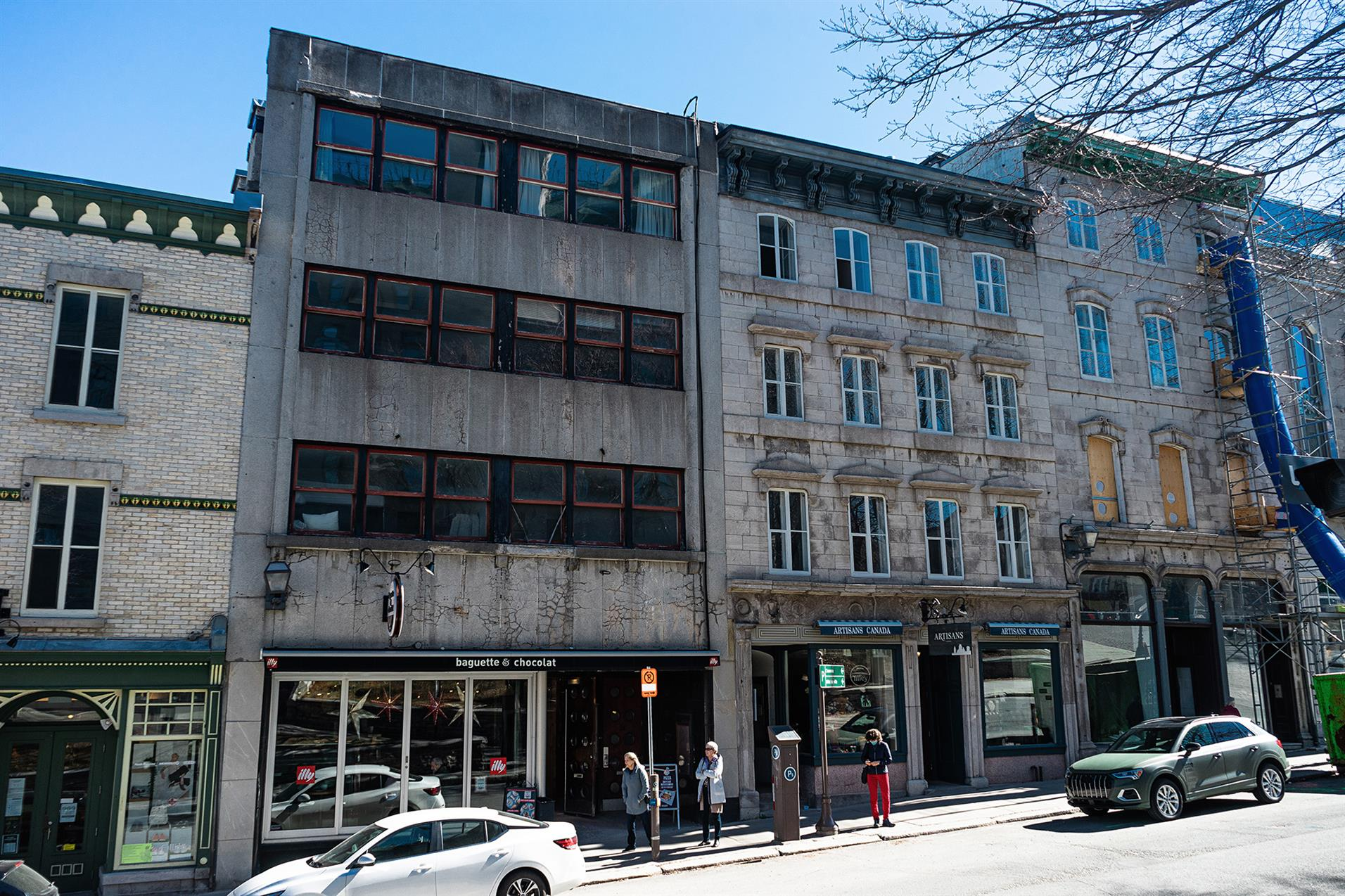
When Canadian investors talk about real estate, the conversation almost always gravitates toward the same cities. Toronto dominates headlines with its skyrocketing prices and affordability debates. Vancouver draws attention for its foreign investment dynamics and luxury market. Montreal attracts interest for its cultural cachet and relatively accessible entry points. Meanwhile, Quebec City has quietly built one of the strongest and most consistent real estate performance records in the country — largely outside the national spotlight.
This relative anonymity has been an advantage for investors who discovered the market early. While speculative bubbles inflated and deflated in other Canadian cities, Quebec City delivered steady appreciation, strong rental demand, and a cost-of-income ratio that allowed investors to achieve positive cash flow from day one on well-selected properties. Now, as institutional investors and national property groups begin sending scouts to evaluate opportunities in the region, the window for early-mover advantage is narrowing. Understanding what makes this market exceptional — and how to position yourself within it — has never been more important.
The Economic Fundamentals Driving Quebec City’s Real Estate Strength
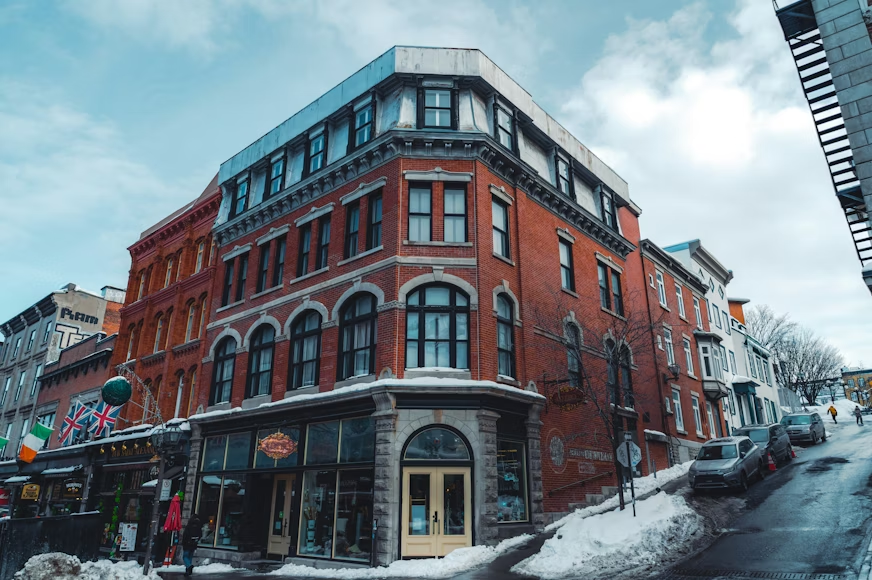
Real estate markets ultimately reflect the economic health of the communities they serve. By this measure, Quebec City stands on remarkably solid ground. The city benefits from a diversified economic base that does not depend on any single industry or employer. The provincial government, Université Laval, a growing technology sector, a robust healthcare system, insurance and financial services, and a thriving tourism industry all contribute to an employment landscape that has historically been more stable than that of most Canadian cities.
Unemployment rates in the Quebec City metropolitan area have consistently ranked among the lowest in the country. This employment stability translates directly into rental market strength — employed tenants pay rent reliably, and strong job markets attract new residents who need housing. Unlike resource-dependent cities where economic downturns can trigger sudden spikes in vacancy, Quebec City’s diversified economy provides a buffer that protects property owners through economic cycles.
Population growth, while more modest than in Canada’s largest metropolitan areas, has been steady and increasingly driven by immigration and interprovincial migration. As housing affordability deteriorates in Toronto, Vancouver, and increasingly Montreal, Quebec City’s combination of lower living costs, high quality of life, and improving economic opportunities makes it an attractive destination for families and professionals seeking a better balance between income and lifestyle. This migration pattern creates sustained demand for quality rental housing across all segments of the market.
The team at fredericmurrayproperties.com has tracked these demographic and economic trends for nearly two decades, and the data consistently reinforces the thesis that Quebec City offers a risk-adjusted return profile that few Canadian markets can match.
Why Rental Demand in Quebec City Defies National Trends
Across much of Canada, the rental market narrative has been one of volatility — periods of extremely tight supply followed by construction booms that threaten oversupply, punctuated by policy interventions that shift the dynamics unpredictably. Quebec City’s rental market has followed a distinctly different pattern characterized by persistent, structural demand that has kept vacancy rates at or near historic lows for an extended period.
Several factors contribute to this sustained demand. First, Quebec City has a large student population anchored by Université Laval and several other post-secondary institutions. Students create reliable annual demand for rental housing, particularly in neighborhoods with good transit access to campus. Second, the city’s government sector employs thousands of workers, many of whom relocate from other regions and require rental housing during their initial transition period and often beyond. Third, and increasingly significant, new immigrants to Quebec are disproportionately settling in Quebec City as the provincial government actively works to distribute immigration benefits beyond Montreal.
The supply side of the equation further supports landlords. New construction in Quebec City has not kept pace with demand growth, partly due to rising construction costs and partly due to the limited availability of developable land within the most desirable central neighborhoods. This supply constraint puts upward pressure on rents and supports high occupancy rates across the existing housing stock.
For property investors, this combination of strong demand and constrained supply creates an environment where well-maintained buildings in good locations achieve occupancy rates that owners in many other Canadian cities can only envy. The rental market intelligence available through fredericmurrayrentals.com and fredericmurraylocation.com provides investors with the granular neighborhood-level data needed to make informed acquisition and pricing decisions.
Neighborhood-Level Analysis That Separates Good Investments From Great Ones
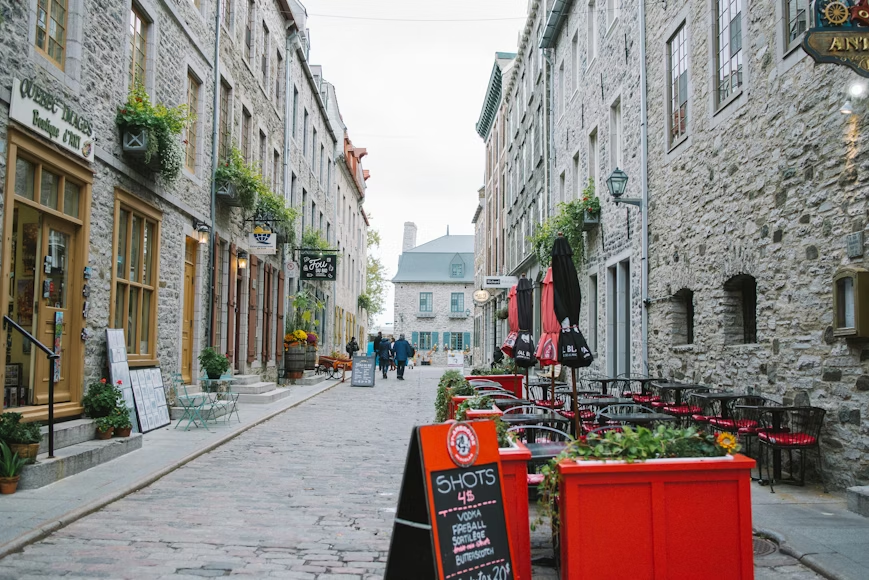
Saying that Quebec City is a strong investment market is a useful starting point, but it is far too broad to guide actual purchasing decisions. Real estate performance varies dramatically at the neighborhood level, and the difference between a property that delivers exceptional returns and one that merely adequate returns often comes down to micro-location choices within the same city.
The Old Quebec and surrounding heritage zones offer the highest per-unit rental rates and the strongest tourist-season short-term rental potential for properties zoned to permit it. However, these areas also carry the highest acquisition costs and the most complex renovation and regulatory requirements. They are best suited for experienced investors with access to specialized renovation expertise and patient capital.
Saint-Roch has undergone a remarkable transformation over the past fifteen years, evolving from a neglected commercial district into one of the city’s most vibrant neighborhoods. Technology companies, creative businesses, restaurants, and cultural venues have reshaped the area’s identity, and residential demand has followed. Properties acquired in Saint-Roch before or during the early stages of this revitalization have delivered outstanding appreciation. While prices have risen substantially, the neighborhood continues to attract the young professional demographic that supports strong rental demand.
Limoilou represents what many investors consider the next frontier. Geographically close to downtown, architecturally diverse with a mix of heritage triplexes and larger apartment buildings, and culturally energized by a growing food and arts scene, Limoilou offers acquisition prices that are still accessible relative to more established central neighborhoods. Investors who recognize the pattern of neighborhood evolution that played out in Saint-Roch are watching Limoilou closely.
Sainte-Foy and Sillery appeal to a different tenant profile — families and established professionals who prioritize space, green surroundings, and proximity to schools. Rental units in these neighborhoods command steady demand from a demographic that tends toward longer tenancies and lower turnover, which reduces operating costs and stabilizes cash flow.
The neighborhood expertise embedded in the Frédéric Murray network, accessible through fredericmurrayproperties.com and fredericmurrayestates.com, helps investors navigate these micro-market dynamics with the kind of local knowledge that national real estate platforms simply cannot provide.
The Acquisition Process for Out-of-Town Investors
Quebec City’s growing reputation as an investment destination means that an increasing number of buyers are evaluating the market from outside the region. Investors based in Montreal, Toronto, or even outside Canada face unique challenges when acquiring property in a market they do not know intimately. Language, legal frameworks, cultural norms, and local market customs all differ from what investors may be accustomed to.
Quebec operates under a civil law system with property transactions conducted through notaries rather than lawyers. The process, while well-established and efficient, differs procedurally from common law jurisdictions in the rest of Canada. Understanding these differences before you begin your search prevents confusion and delays during what is often a time-sensitive acquisition process.
Language is a practical consideration. While Quebec City is increasingly bilingual in business contexts, the majority of legal documents, municipal communications, and tenant interactions are conducted in French. Investors who are not fluent in French benefit significantly from working with local partners who can navigate these communications seamlessly.
Building a reliable local team is essential for out-of-town investors. This team should include a notary experienced in commercial and multi-residential transactions, a building inspector with specific knowledge of Quebec’s construction methods and common issues, a mortgage broker familiar with investment property financing in the province, and a property management company that can serve as your operational presence on the ground.
The management and advisory services available through fredericmurraymanagement.com fill this last role for numerous investors who have chosen Quebec City for its strong fundamentals but need local expertise to execute effectively. Having a trusted management partner in place before you close on a property ensures a seamless transition from acquisition to operation.

Long-Term Portfolio Strategy in a Maturing Market
As Quebec City’s real estate market gains broader recognition, the strategy for building wealth through property investment in the region is evolving. The era of finding dramatically undervalued buildings in prime locations is not over, but opportunities of that magnitude are becoming less frequent as more capital enters the market. Successful investors are adapting by refining their approach in several key ways.
Value-add strategies are replacing simple buy-and-hold approaches as the primary driver of returns. Acquiring buildings that are structurally sound but operationally underperforming — due to below-market rents, deferred maintenance, poor management, or inefficient layouts — and applying professional renovation, repositioning, and management to unlock their full potential delivers superior returns compared to buying already-optimized properties at premium prices. This approach requires more expertise and hands-on involvement but rewards investors who are willing to do the work.
Portfolio diversification across neighborhoods and property types reduces risk and creates multiple growth pathways. Combining heritage buildings in central locations with larger apartment complexes in suburban areas and mixed-use properties that include commercial tenants produces a portfolio that performs well across different market conditions. Each property type responds differently to economic shifts, interest rate changes, and demographic trends, so diversification provides natural hedging.
Financing strategy deserves as much attention as property selection. Quebec’s lending environment offers competitive rates for well-structured investment properties, and building strong relationships with lenders who understand the local market can provide access to favorable terms and faster approvals. Professional financial reporting from your management company strengthens these relationships by demonstrating operational competence and transparency.
The trajectory of Quebec City’s real estate market points toward continued strength, supported by the same economic fundamentals, demographic trends, and supply constraints that have driven performance over the past two decades. Investors who combine local market knowledge with professional management and disciplined acquisition strategy are positioning themselves to capture the next chapter of growth. The Frédéric Murray network — spanning fredericmurrayproperties.com, murrayimmeubles.com, murrayimmeuble.com, fredericmurrayhomes.com, and the full family of Murray sites — represents nearly two decades of conviction in this market and stands ready to help investors at every stage of their Quebec City real estate journey.

