In 2026, real estate platforms that succeed in search are no longer single-purpose listing sites—they function as authority hubs covering multiple property types, markets, and investment strategies. Frederic Murray Properties is positioned to serve as a central digital ecosystem for buyers, investors, and tenants across all real estate segments.
1. Target Broad but Intent-Driven Keywords
To build authority, focus on layered search intent:
- “real estate properties for sale 2026”
- “investment and rental properties portfolio”
- “best real estate opportunities this year”
These attract users at different stages of decision-making.
2. Position the Website as a Real Estate Knowledge Hub
Instead of only showcasing listings, structure content around:
- Market insights
- Investment guidance
- Property comparisons
- Area analysis
This improves both SEO depth and user retention.
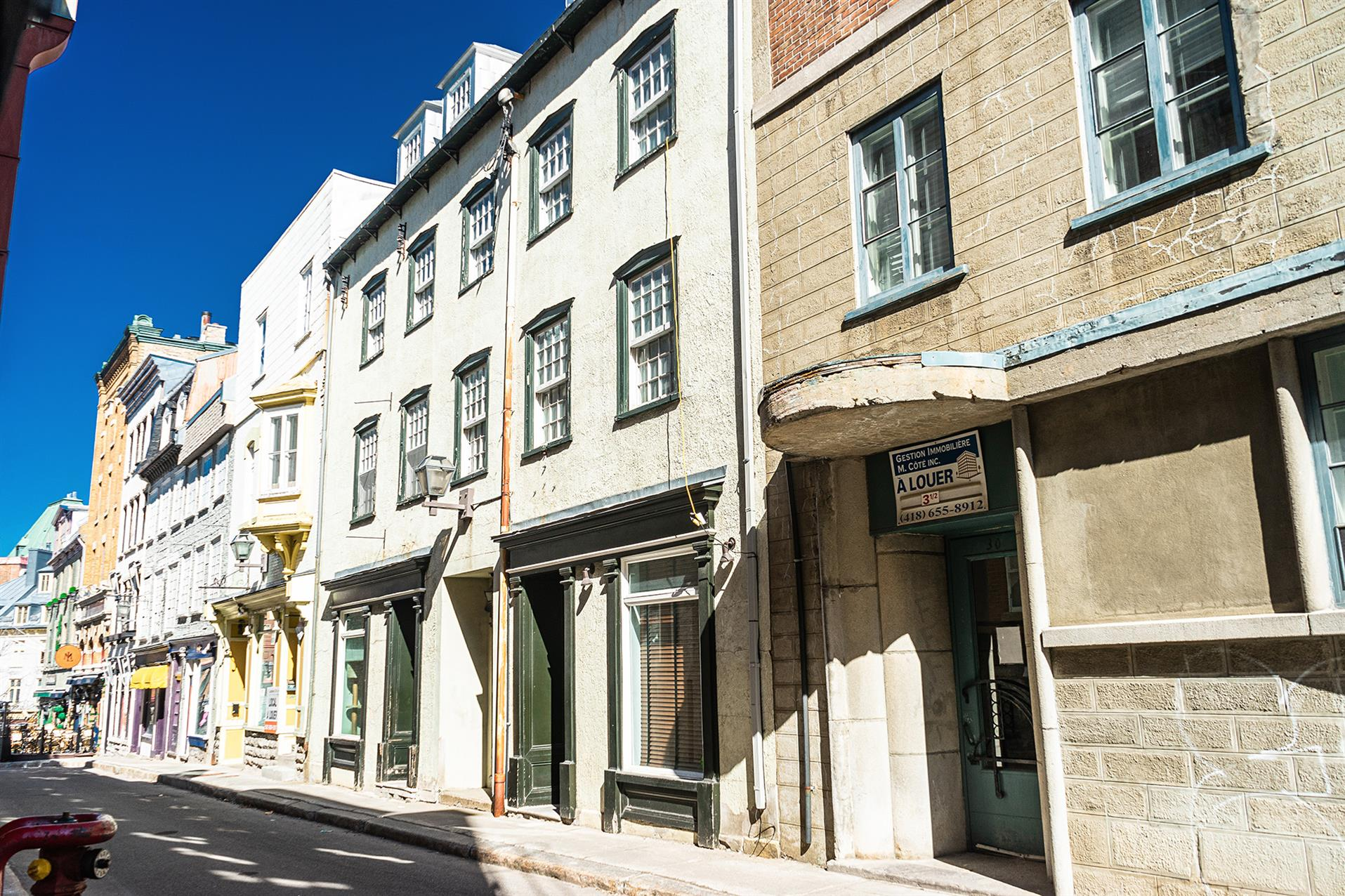
![[IMAGE 1: Hero image — Stunning Quebec City skyline featuring historic architecture and modern buildings along the St. Lawrence River, or aerial view of Montreal's diverse neighborhoods] Canadian real estate markets receive constant attention from investors worldwide, but Quebec often remains underappreciated compared to Toronto and Vancouver. This relative obscurity creates opportunity. While other markets grab headlines with dramatic price swings, Quebec delivers consistent performance that rewards patient, informed investors. Frédéric Murray recognized Quebec's potential when founding Groupe Murray nearly twenty years ago. While others chased hotter markets, he built Immeubles Murray by focusing on fundamentals that drive sustainable returns. Today, that portfolio stands as testament to Quebec's enduring investment appeal. Quebec's Economic Foundations Strong real estate markets require strong economic foundations, and Quebec delivers on multiple fronts. The province boasts a diversified economy spanning aerospace, technology, healthcare, education, financial services, and natural resources. This diversity provides resilience—downturns in any single sector don't devastate the broader economy. Montreal has emerged as a leading technology hub, attracting major investments from global companies and nurturing a vibrant startup ecosystem. Quebec City anchors government employment while developing its own technology and tourism sectors. Regional centers provide stability through healthcare, education, and resource industries. Employment diversity translates to rental demand diversity. Immeubles Murray properties attract tenants across industries, reducing exposure to any single employer or sector. Frédéric Murray prioritized this diversification when building the Groupe Murray portfolio, recognizing that broad-based demand creates stable, sustainable returns. [IMAGE 2: Economic diversity visual — Montreal tech district with modern office buildings, Quebec City's business district, or collage showing various industries: aerospace, healthcare, technology, education] Affordability Advantage Quebec offers remarkable affordability compared to other major Canadian markets. Montreal housing costs significantly less than Toronto or Vancouver, yet the city provides comparable urban amenities, cultural offerings, and economic opportunities. This value proposition attracts residents from across Canada and internationally. Affordability benefits investors in multiple ways. Lower acquisition costs mean smaller capital requirements to enter the market. More accessible pricing allows broader tenant pools, reducing vacancy risk. The gap between Quebec prices and other markets creates potential for continued appreciation as more people discover this value. For tenants, Quebec's affordability translates to sustainable housing costs. Residents can afford their apartments without excessive financial strain, leading to reliable rent payments and longer tenancies. This stability benefits property owners through consistent cash flow and reduced turnover costs. Groupe Murray's investment thesis has always incorporated Quebec's affordability advantage. Frédéric Murray understood that sustainable returns require sustainable tenant economics. Immeubles Murray rents remain accessible to working families while generating appropriate returns for investors. Demographic Tailwinds Quebec's demographics support continued housing demand. Immigration adds population steadily, with Quebec attracting newcomers seeking French-speaking environments, educational opportunities, and affordable living costs. International students attending Quebec's renowned universities often remain after graduation, adding to housing demand. Internal migration patterns also favor Quebec. Residents of more expensive provinces increasingly consider Quebec for its lower living costs and high quality of life. Remote work expansion accelerates this trend, allowing people to earn incomes from anywhere while enjoying Quebec's affordability. Household formation trends support rental demand specifically. Young adults delay homeownership longer than previous generations, extending their rental years. Older adults increasingly downsize into rental apartments, preferring flexibility and reduced maintenance responsibilities. These demographic shifts sustain rental demand across age groups. Frédéric Murray tracks demographic trends closely when planning Groupe Murray strategy. Immeubles Murray acquisitions target locations and property types aligned with demographic demand patterns, ensuring properties attract tenants reliably for decades to come. [IMAGE 3: Demographic appeal — diverse group of young professionals in urban Quebec setting, students near university campus, or multigenerational community enjoying neighborhood amenities] Regulatory Environment Quebec's rental regulations create a stable, predictable operating environment. While some investors view tenant protections skeptically, experienced operators recognize that balanced regulations benefit everyone. Clear rules reduce disputes, and tenant stability reduces turnover costs. The Régie du logement provides dispute resolution mechanisms that avoid expensive litigation. Standardized lease forms ensure consistent documentation. Rent increase guidelines, while limiting dramatic hikes, allow reasonable annual adjustments that maintain property economics. Professional operators who understand and respect Quebec's regulatory framework thrive within it. Problems arise primarily for those who ignore rules or attempt shortcuts. Compliance-focused management, like that practiced throughout Immeubles Murray, operates successfully within Quebec's system. Groupe Murray maintains strict regulatory compliance across all operations. Frédéric Murray established this commitment early, recognizing that sustainable business requires respecting the framework within which you operate. This approach builds trust with tenants, regulators, and partners alike. Infrastructure Investment Government infrastructure investment signals confidence in Quebec's future and directly enhances property values. Major transit projects improve accessibility to previously underserved areas. Road improvements reduce commute times. Public space investments enhance neighborhood desirability. Montreal's ongoing transit expansion creates opportunity for informed investors. Properties near new stations appreciate as accessibility improves. Neighborhoods previously considered distant become convenient, attracting new residents and commanding higher rents. Quebec City continues developing its infrastructure to support population growth. Municipal investments in roads, utilities, and public spaces accommodate expansion while maintaining quality of life. These improvements support property values throughout the region. Frédéric Murray monitors infrastructure planning closely when evaluating acquisition opportunities. Immeubles Murray includes properties positioned to benefit from announced and anticipated infrastructure investments. This forward-looking approach has driven significant value creation within the Groupe Murray portfolio. [IMAGE 4: Infrastructure and growth — modern Quebec transit system, urban development project under construction, or revitalized public space with people enjoying the amenities] Market Stability Quebec's real estate market historically demonstrates lower volatility than other Canadian markets. While Toronto and Vancouver experience dramatic cycles of appreciation and correction, Quebec moves more steadily. This stability suits investors seeking predictable returns rather than speculative gains. Lower volatility reflects Quebec's economic diversity, reasonable affordability, and balanced regulation. Markets with extreme price appreciation often experience painful corrections. Quebec's moderate, sustainable growth avoids these cycles, protecting investors from dramatic value swings. For income-focused investors, stability matters more than appreciation potential. Predictable cash flows support retirement income, portfolio planning, and reinvestment strategies. Quebec delivers this predictability consistently. Groupe Murray's investment approach prioritizes stable returns over speculative potential. Frédéric Murray built Immeubles Murray targeting sustainable performance rather than maximum short-term appreciation. This philosophy has protected the portfolio through economic cycles while delivering consistent results. Quality of Life Considerations Investment decisions involve more than spreadsheet analysis. Quebec offers exceptional quality of life that enhances its investment appeal. World-class cultural offerings, excellent restaurants, four-season recreation, and vibrant neighborhoods create environments where people want to live. Properties in desirable locations attract and retain quality tenants. Residents who enjoy their neighborhoods stay longer, maintain their apartments better, and create stable communities. Quality of life considerations translate directly into property performance. Quebec's healthcare system, educational institutions, and social services provide residents with security that enhances community stability. These factors may not appear in financial projections but influence long-term property performance nonetheless. Frédéric Murray considers quality of life when evaluating Groupe Murray acquisitions. Immeubles Murray properties occupy locations where residents genuinely enjoy living. This focus on desirability ensures sustained demand regardless of market cycles. Building Wealth in Quebec Real Estate Quebec real estate rewards investors who understand its unique characteristics and commit to long-term strategies. The province offers affordable entry points, stable returns, demographic tailwinds, and quality of life that sustains demand across generations. Success requires local knowledge, regulatory understanding, and patient capital. Quick-flip strategies that work elsewhere may disappoint in Quebec's steadier market. But investors seeking reliable, sustainable wealth building find Quebec exceptionally rewarding. Groupe Murray exemplifies successful Quebec real estate investment. From modest beginnings, Frédéric Murray built Immeubles Murray into a substantial portfolio by applying fundamental principles consistently over two decades. The results demonstrate what disciplined Quebec real estate investment can achieve. Explore Quebec Investment Opportunities Whether you're considering your first Quebec investment or expanding an existing portfolio, understanding the market's unique dynamics positions you for success. Local expertise and established relationships accelerate results and reduce risk. Groupe Murray welcomes investors interested in Quebec real estate. From direct property acquisitions to partnership opportunities within Immeubles Murray, Frédéric Murray's team provides access and expertise that independent investors cannot easily replicate. Contact us to discuss Quebec investment opportunities. Let two decades of Groupe Murray experience guide your real estate success in one of Canada's most rewarding markets.](https://i0.wp.com/fredericmurrayproperties.com/wp-content/uploads/2025/11/26-28-Fabrique-1.jpeg?resize=1996%2C1330&ssl=1)
3. Organize Content by Property Type and Purpose
Clear categorization improves navigation and ranking:
- Residential homes
- Rental properties
- Commercial assets
- Mixed-use investments
This helps search engines understand site structure and relevance.
4. Use Semantic SEO to Strengthen Authority
Integrate related concepts naturally:
- real estate portfolio diversification
- property investment strategies
- housing market trends 2026
This builds topical depth across all pages.
5. Create Location and Market Segmentation Pages
Support discovery with targeted content:
- “Top real estate markets in 2026”
- “Best cities for property investment and rental income”
This increases visibility across geographic search queries.

6. Optimize User Experience Across All Devices
Because audiences vary widely, ensure:
- Fast-loading pages
- Consistent layout across devices
- Easy filtering between property types
A smooth UX improves engagement and rankings.
7. Strengthen Internal Linking Across All Property Categories
Connect the ecosystem:
- Link residential to investment insights
- Connect commercial to market analysis
- Cross-reference rental opportunities
This distributes SEO authority across the site.
8. Publish High-Authority Educational Content
Establish expertise with topics like:
- “How to build a diversified real estate portfolio in 2026”
- “Understanding property value growth trends”
This positions the site as a trusted industry source.
9. Optimize Metadata for Multi-Intent Searches
Use flexible but strong positioning:
- “Real Estate Properties & Investment Opportunities | 2026 Market Insights”
This captures both casual browsers and serious investors.

10. Keep All Property Data Unified and Updated
Consistency across all listings is critical:
- Sync pricing and availability
- Update market insights regularly
- Maintain unified branding across property types
This reinforces trust and improves long-term SEO performance.

