When Winter Defines Everything
Quebec City’s winter isn’t a minor inconvenience to endure between pleasant seasons. It’s a defining reality lasting six months annually, shaping architecture, culture, and daily life more than any other factor. Average temperatures remain below freezing from November through March. Snowfall accumulates to several meters. Wind chill creates conditions testing both buildings and inhabitants.
In this context, your housing choice becomes critically important in ways residents of milder climates never experience. A building poorly designed for winter makes half your year miserable. A building that masters winter transforms the season from ordeal into enjoyment. The difference between these experiences is substantial, measurable, and worth understanding before committing to any Quebec rental.
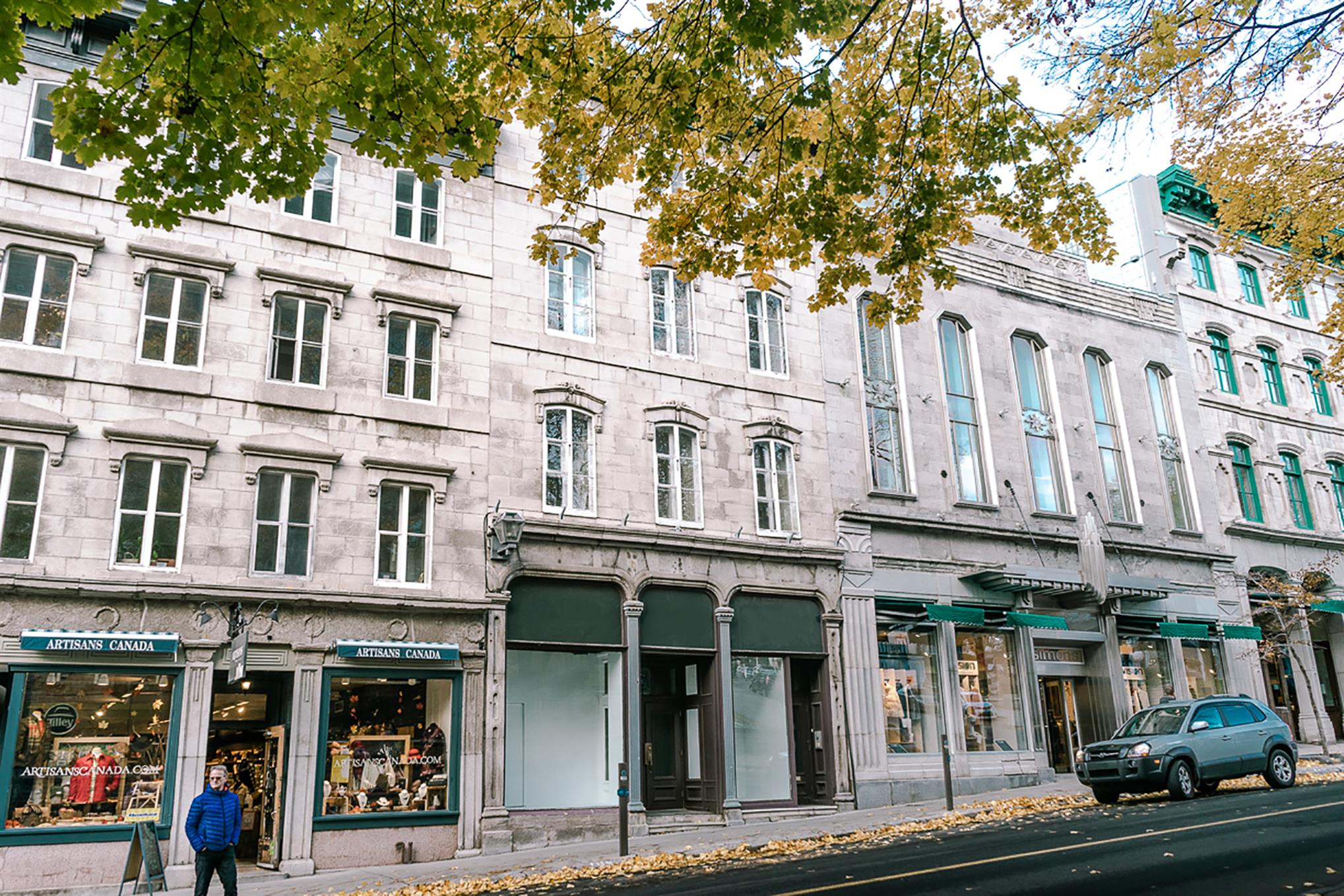
For nearly two decades, Groupe Murray has managed heritage properties through hundreds of Quebec winters. The buildings in their portfolio, constructed between 1830 and 1867, were designed by people who understood winter intimately. These structures have proven their winter performance across nearly two centuries. Frédéric Murray and his team have refined modern heating systems and maintenance practices that leverage these inherent advantages while addressing any historical limitations.
Living in an Immeubles Murray property during winter reveals why thoughtful 19th-century construction outperforms much contemporary building in Quebec’s demanding climate. Understanding these advantages helps prospective tenants make informed decisions about where they’ll spend half of every year.
The Thermal Mass Advantage That Modern Buildings Cannot Replicate
The massive stone walls characterizing Groupe Murray heritage properties provide thermal performance fundamentally different from contemporary construction. This isn’t aesthetic preference but physics creating measurable comfort advantages throughout Quebec’s long heating season.
Stone walls three feet thick possess enormous thermal mass. Once warmed to a comfortable temperature, these walls store tremendous heat energy. This stored heat radiates inward for hours even if the heating system stops temporarily. You feel this difference immediately when entering from brutal outdoor cold. The warmth feels deeper, more substantial, more enveloping than the forced-air heat common in modern apartments.
Modern construction with thin insulated walls responds quickly to temperature changes in both directions. This sounds advantageous until you experience the reality. Your apartment heats up quickly when the system runs but cools rapidly when it stops. The constant cycling creates temperature fluctuations and the unsettling feeling that warmth remains artificial and temporary rather than stable and secure.
The thermal mass of heritage construction moderates these swings naturally. Morning temperatures remain comfortable even hours after night setback because the walls retained yesterday’s heat. Brief heating system interruptions don’t immediately plunge interior temperatures because the stored heat in the walls continues radiating. This stability creates psychological comfort as valuable as physical warmth.
The energy efficiency implications also matter financially. Heating systems in Immeubles Murray properties cycle less frequently because the thermal mass stabilizes temperatures. Less cycling means less energy consumption and lower utility bills. The thick walls also prevent the infiltration that plagues modern buildings where insulation gaps create cold spots and drafts.
Strategic Window Design From an Era That Understood Cold
The large windows in Groupe Murray heritage properties might seem counterintuitive for winter performance. Windows lose heat, conventional wisdom suggests smaller is better. However, 19th-century builders understood principles that modern construction often ignores.
The generous south-facing windows in these buildings capture substantial solar gain during winter days. Quebec winter may be cold but it’s also remarkably sunny. The low-angle winter sun streams through large windows, passively heating interiors significantly. This free solar heating reduces mechanical heating needs while creating psychologically uplifting bright spaces during the season when daylight becomes precious.
The window placement reflects sophisticated understanding of solar geometry and prevailing winds. Windows face directions maximizing winter sun while minimizing exposure to harsh northwest winds. Modern buildings often prioritize views or construction efficiency over climate response, resulting in poor solar gain and excessive wind exposure.
The substantial window frames and thick surrounding walls create thermal breaks reducing direct conduction from cold glass to interior spaces. You can sit comfortably near windows in heritage properties that would create uncomfortable cold zones in thinner-walled modern buildings. This expands usable living space rather than creating zones to avoid during winter.
The ability to actually open these large windows during the handful of unseasonably warm winter days provides ventilation impossible in many modern buildings where sealed systems prevent fresh air admission. This flexibility to respond to unusual conditions improves comfort across the full range of winter weather.
The Height Advantage: Why High Ceilings Actually Help in Winter
Conventional wisdom suggests high ceilings waste heat by creating large volumes to warm. However, the reality in properly designed heritage spaces proves more nuanced and actually beneficial for winter living.
Heat naturally rises, concentrating warm air near ceilings. In modern apartments with standard eight-foot ceilings, this stratification happens quickly, creating uncomfortable temperature gradients where floors remain cold while ceilings feel too warm. The ten to twelve-foot ceilings common in Groupe Murray properties allow more gradual stratification with comfortable temperatures maintained throughout the occupied zone.
The larger air volume in high-ceilinged rooms also moderates temperature swings more effectively than smaller volumes. Thermal mass exists in air as well as walls. Greater air volume means more thermal inertia resisting rapid temperature changes. Combined with the thermal mass of thick walls, this creates exceptional stability.
The psychological impact of high ceilings during Quebec’s long winter deserves recognition. When you’re spending significantly more time indoors than during summer, the sense of spaciousness and airiness that high ceilings provide combats the claustrophobia that smaller spaces can induce. Mental health during winter matters substantially, and environment influences mood measurably.
Modern heating systems in Immeubles Murray properties are sized and configured appropriately for these volumes. The myth that high ceilings dramatically increase heating costs reflects poor system design rather than inherent disadvantage. Properly designed systems maintain comfort efficiently regardless of ceiling height.
Quiet Warmth: How Solid Construction Eliminates Heating System Noise
Modern forced-air heating systems create constant background noise as furnaces cycle and air rushes through metal ductwork. You might not consciously notice this noise until you experience its absence, but it contributes to low-level stress and disrupts sleep quality. Winter means this noise operates constantly for months.
Heritage properties managed by Groupe Murray often use hydronic heating systems with hot water radiators. These systems operate nearly silently. Water circulates quietly through pipes. Radiators emit no mechanical sound as they radiate heat. The only noise comes from occasional expansion clicks as metal heats and cools, sounds far less intrusive than forced-air systems.
Even when forced-air systems are used in heritage properties, the solid construction isolates mechanical equipment effectively. Thick floors and walls contain compressor and fan noise within mechanical spaces. Ductwork, when necessary, is sized generously to move air quietly rather than the high-velocity rushing common in modern buildings with space constraints.
This acoustic advantage matters particularly during winter when windows remain closed eliminating outdoor sound that might mask mechanical noise. The silence of a well-heated heritage apartment creates peaceful environments impossible in modern buildings where HVAC systems provide constant auditory reminders of artificial climate control.
Snow Management and Access That Modern Complexes Struggle to Match
Quebec winter means snow management becomes critically important to daily life. Accumulations measured in meters must be removed, stored, and managed throughout the season. How buildings and neighborhoods handle this challenge dramatically affects residents’ winter experience.
The urban locations where Groupe Murray properties concentrate benefit from municipal snow removal prioritizing central districts. Major routes and downtown streets receive rapid clearing maintaining access even during and immediately after major storms. This priority service reflects both tourism importance and population density, but residents benefit regardless of motivation.
The walking distance to services means that even when driving becomes challenging, you can still access groceries, pharmacies, cafés, and essential services on foot. Sidewalks in central districts receive regular maintenance and treatment. The network of paths remains functional even when suburban areas become isolated waiting for residential street clearing.
Heritage buildings themselves often feature covered entrances or porticos providing shelter while entering and exiting. These architectural details, common in 19th-century construction but rare in modern buildings, make daily comings and goings more pleasant during snowfall. Small comforts compound across months of winter.
The architectural quality and maintenance standards of Immeubles Murray properties ensure that ice dams, dangerous icicles, and other winter building hazards are managed proactively. Proper roof pitch, adequate insulation, and careful maintenance prevent the dramatic ice accumulations that plague poorly maintained buildings. Your safety isn’t compromised by negligent property management.
Winter Light: Why Old Windows Beat New Technology
Quebec winter brings limited daylight, with December days providing barely eight hours between sunrise and sunset. Maximizing natural light becomes psychologically important for mood and energy levels. Window design dramatically affects interior light quality during these dark months.
The large windows in Groupe Murray heritage properties admit substantially more light than the standardized windows common in modern construction. The proportions reflect an era when daylight provided the only illumination for most activities. This generous glazing transforms from summer luxury to winter necessity.
The deep window reveals created by thick walls actually enhance light quality during winter’s low sun angles. Light enters at acute angles, reflecting off the reveal surfaces and diffusing throughout interiors rather than creating harsh direct beams. This diffusion creates even illumination across rooms rather than bright zones near windows fading to darkness in corners.
Modern windows with thin surrounding walls create shallow reveals offering little light diffusion or reflection. The result? Harsher contrast between brightly lit and dim zones, creating visual discomfort and wasting much of the available daylight.
The architectural details around heritage windows, including any remaining interior shutters or panel systems, provide control over light and privacy impossible with modern blinds or curtains. These period features function beautifully while adding character absent from contemporary light control solutions.
The Winter Storm Protocol: Professional Management That Keeps You Safe and Comfortable
Major winter storms strike Quebec regularly, dropping massive snow accumulations and creating dangerous conditions. How property management responds during and after these events dramatically affects resident experience and safety.
The Groupe Murray team has refined winter storm protocols through nearly twenty years of Quebec winters. Before storms arrive, systems are checked ensuring heating operates reliably. Emergency contact information is confirmed. Supplies of sand or salt are verified. This preparation means storms become manageable events rather than crises.
During storms, heating system monitoring ensures no properties lose heat at critical moments. Building access points remain cleared allowing residents to enter and exit safely. Emergency response capability remains available if unexpected problems arise. This active management provides security that absentee landlords or minimal management operations cannot match.
After storms pass, clearing begins immediately prioritizing safety while managing the massive volumes of snow characteristic of Quebec winters. Building entrances, steps, and access paths receive attention rapidly. Residents don’t find themselves trapped by accumulation because management ignored clearing responsibilities.
The communication during storm events keeps residents informed about expectations and any special circumstances. This transparency reduces anxiety and allows people to plan accordingly. You’re not left wondering whether anyone is managing the situation or if you’re on your own.
Humidity Control: The Heritage Advantage for Indoor Air Quality
Winter heating creates dry indoor air everywhere, but the magnitude of the problem varies dramatically based on building construction and heating systems. The excessive dryness common in modern apartments causes health issues, discomfort, and property damage. Heritage construction offers natural advantages.
Stone and plaster walls in Groupe Murray properties breathe naturally, moderating humidity fluctuations through absorption and release. These hygroscopic materials act as natural humidity buffers maintaining more stable conditions than sealed modern construction where humidity swings wildly between excessive dryness and condensation problems.
Hydronic heating systems radiating warmth from hot water rather than blowing hot air don’t strip humidity as aggressively as forced-air systems. The gentle radiant warmth maintains more comfortable humidity levels reducing the need for supplemental humidification or the health problems associated with excessively dry air.
The natural air leakage in heritage buildings, while requiring proper management, provides continuous fresh air exchange preventing the stuffiness common in tightly sealed modern apartments. This balance between reasonable tightness and necessary ventilation creates healthier indoor environments during months when windows remain mostly closed.
Modern interventions by Groupe Murray including upgraded windows and weatherstripping improve energy efficiency while maintaining the beneficial air quality characteristics of heritage construction. The goal isn’t creating hermetically sealed spaces but rather optimizing the balance between efficiency and livability.
The Psychological Winter: Environment Influences Mental Health
Quebec’s long, dark, cold winter challenges mental health even for people without diagnosed seasonal affective disorders. Your living environment influences your psychological resilience during these challenging months more than most people recognize until they’ve experienced it.
The architectural beauty and character of heritage apartments provides daily aesthetic pleasure that combats the bleakness external winter conditions can create. Living surrounded by genuine craftsmanship, interesting textures, and historical resonance enriches daily experience in ways generic modern spaces cannot match. This psychological nourishment compounds across months of winter.
The generous natural light from large windows combats the darkness of short winter days. Exposure to natural light regulates circadian rhythms, influences mood-regulating neurotransmitters, and provides essential vitamin D synthesis. Apartments admitting abundant daylight support mental health measurably better than darker spaces.
The solid warmth of thermal mass construction creates psychological security and comfort distinct from the thin artificial warmth of modern forced-air heating. Feeling genuinely warm and secure in your home during brutal winter conditions outside provides psychological grounding and stress reduction.
The vibrant neighborhood life continuing throughout winter in central districts where Groupe Murray properties are located combats the isolation winter can create. You see activity and life outside your windows. Cafés, shops, and restaurants remain operational and accessible. This ongoing vitality prevents the cabin fever that suburban isolation can create during long winters.
Winter Festivals from Your Front Door
Quebec City’s Winter Carnival transforms the city each February into the world’s largest winter festival. Rather than hiding from winter, Quebec celebrates it enthusiastically. Living in Immeubles Murray properties positions you at the center of this celebration.
The ice palace rises in Place d’Youville near many heritage properties. Parades pass through streets you traverse daily. Ice sculpture competitions transform familiar spaces into art galleries. You don’t travel to attend festival events, you simply walk out your door into them. This effortless access transforms the festival from tourist attraction into lived experience.
The outdoor activities characterizing Quebec winter, including skating, snowshoeing, and winter walking, become easily accessible from central locations. The Plains of Abraham minutes away offer outdoor exercise opportunities throughout winter. Terrasse Dufferin provides stunning winter views and vigorous walking. Access to these activities supports physical and mental health during long months when outdoor activity could otherwise seem daunting.
The cultural programming that accelerates during winter includes theater, concerts, galleries, and museums. Living within walking distance means winter entertainment remains easily accessible despite challenging travel conditions. Your apartment becomes a base camp for winter cultural engagement rather than a bunker separating you from winter life.
Making Your Winter Decision
Choosing housing for Quebec City requires prioritizing winter performance over summer aesthetics. You’ll spend six months annually in winter conditions. The building’s winter characteristics matter far more than how the unit photographs during a July showing.
Visit properties during winter if possible. Experience firsthand how the heating feels, how light penetrates, how solid the warmth seems. Ask current tenants about their winter experience. Observe snow management and building maintenance during actual winter conditions. These assessments reveal far more than summer tours.
The Groupe Murray team can discuss specific winter characteristics of different properties. Some units receive more direct sun. Some feature particularly efficient layouts for winter living. Some offer specific advantages for residents working from home during winter. Matching your needs to property characteristics improves satisfaction across the long winter season.
Understanding winter performance transforms from abstract consideration to critical priority once you’ve experienced Quebec winter. Making the right choice means six months annually of comfort rather than endurance. The heritage properties managed by Frédéric Murray and his team have proven their winter excellence across nearly two centuries. Modern construction still aspires to match this performance.
When you’re ready to choose housing designed by people who truly understood winter, maintained by professionals who’ve mastered it, and positioned in neighborhoods that celebrate rather than surrender to it, the Groupe Murray team can help you find your winter sanctuary in Quebec City.
Ready to experience Quebec winter from a home designed to master it? Contact Groupe Murray to discover how heritage construction creates winter living excellence.
Groupe Murray – Where winter reveals the wisdom of historic construction

